
The Challenge
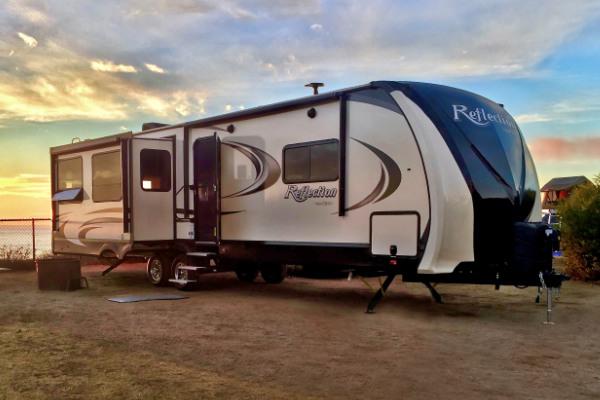
Winnebago Industries, Inc. is a leading U.S. manufacturer of outdoor lifestyle products used in leisure travel and outdoor recreation. Their products include motorhomes, travel trailers, fifth wheel products, and boats. Winnebago and their internal Advanced Technology Group – which was established to improve the ability to innovate industry-changing products and services within each of its brands – engaged Applied Marketing Science (AMS) in a three-pronged research project involving customer interviewing, social media listening, and machine learning to uncover their customers’ pain points across products – and to inspire innovation.
What We Did
The first stage of this engagement involved in-person research. For over 50 years, Winnebago has welcomed thousands of RV owners to Forest City, Iowa for a gathering and celebration of Winnebago RVs and their owners. During a recent rally, AMS and Winnebago met with customers and conducted Voice of the Customer (VOC) interviews, RV tours, and on-site focus groups to better understand their customers’ digital experiences; specifically, how they plan their trips and what types of technology they use to do so.
The second stage of this partnership centered on unlocking new perspectives in the innovative electric RV industry. Winnebago worked with electric-vehicle-enthusiast Youtuber, Kim Java, to provide customers with a first look at their new electric RV concept. The video garnered customer feedback and suggestions to the concept in the form of comments. AMS consultants combed through hundreds of comments from RV and electric vehicle enthusiasts, providing a comprehensive glimpse of different types of customers and their needs.
AMS and Winnebago also utilized machine learning in the form of the Automated Content Evaluator (ACE™), an algorithm developed collaboratively by researchers at AMS and at the MIT Sloan School of Management. Grand Design, a producer of high-end RVs recently acquired by Winnebago, possesses an internal database of hundreds of thousands of service reports in addition to thousands of customer posts about Grand Design vehicles online in forums and on social media. The study took over 200,000 customer posts and service reports and condensed them into 40 unique pain points on a market opportunity map. Each pain point was plotted for frequency of mention and average sentiment to understand its priority.
The Outcome
This multi-faceted approach demonstrated that there are several ways to uncover and analyze customer needs in a cost-effective and efficient manner, using existing data.
For example, Winnebago and the AMS team took advantage of the Iowa rally – where their target audience was already in attendance – to conduct VOC research. From the interviews conducted at the rally, AMS identified over 40 customer needs that could be addressed through improved digital experiences. The electric RV study, which utilized social media listening, further demonstrated that companies can use readily-available data and marketing content to uncover customer needs, sentiment, and perceptions.
Regarding the machine learning element of this engagement, the AMS team was able to identify several customer pain points that should be a priority for immediate action. Additionally, they identified several areas that should be a priority for disruptive innovation. Ultimately, Winnebago was able to modify their digital roadmap to incorporate third-party solutions, allowing them to shift their focus from self-producing these systems to better integrating the various technologies used within their products to suit their customers’ needs.
The Advanced Technology Group at Winnebago was also able to provide additional focus to technology limitations. By conducting in-depth research, the group gained better visibility to the combination of customer preferences and service issues, which allowed for proactive prioritization of product improvements for the RV team. These additional research tools have increased the number of touchpoints available to decisionmakers – not only for themselves, but also for their employees and customers.
 Download the PDF